Two weeks ago, we talked about why DIY-ing your Pay-Per-Click (PPC) advertising is a bit like trying to perform your own root canal—technically possible, but unnecessarily painful and likely to end in a mess. If you’ve been sitting on the fence, watching your “Cost Per Click” climb while your “Lead Count” stays…
Search Engine Optimization
-
AdWords - AdWords Account Management - Digital Marketing - Digital Marketing Agency - Google - Google Ads - Google AdWords - Google Partner - Search Engine Optimization - Tips - Web Design
-
AdWords - AdWords Account Management - Google - News & Trends - Pay Per Click - Performance Marketing - PPC Management - Search Engine Optimization - SEM Agency - SEO - Tips
The “Set It and Forget It” Myth: Why Your DIY PPC is Costing You a Fortune
You’re a business owner. You’re the CEO, the HR department, the lead visionary, and—on Tuesdays—the person who wonders why the breakroom fridge smells like a science experiment. You’re busy. So, when you saw that “Get $500 in Free Ad Credits!” coupon from Google, it felt like a sign. You clicked a few buttons, picked some keywords, and waited for…
-
Digital Marketing - Digital Marketing Agency - GEO - Google - Google Ads - Google Analytics - McCord Web Services - News & Trends - Pay Per Click - PPC Management - Search Engine Marketing - Search Engine Optimization - SEM Agency - Social Media
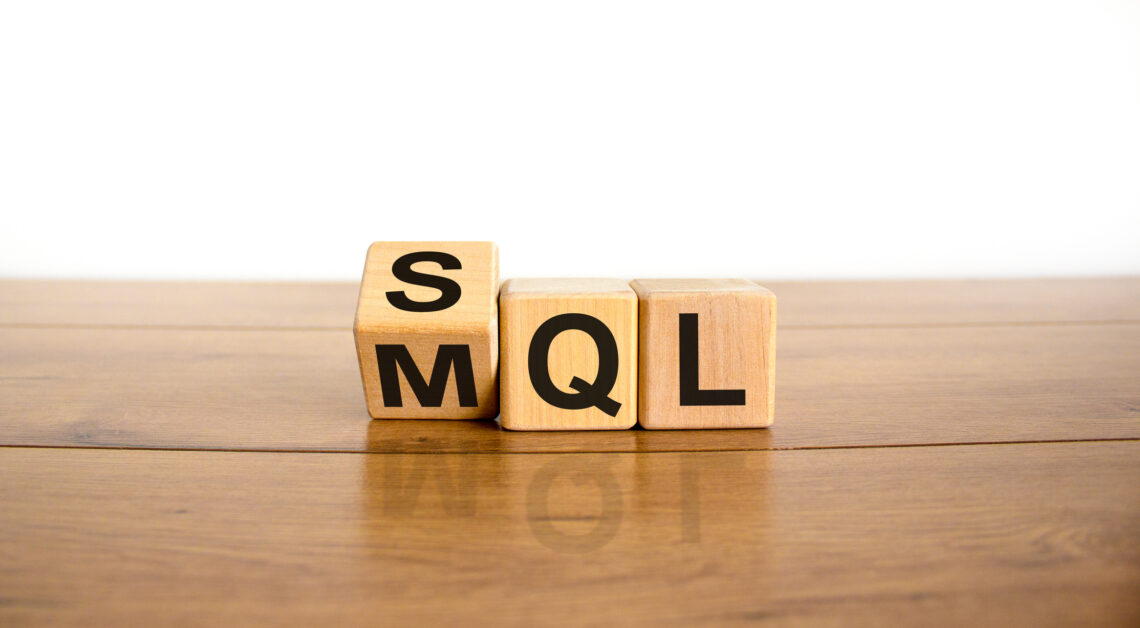
Stop Chasing Ghosts: How to Get Better Qualified Leads
You open your inbox in the morning, hoping to see a list of new orders or serious inquiries. Instead, you find a clutter of form fills from people who aren’t ready to buy, can’t afford your services, or—worst of all—are just browsing with no intent to purchase. It’s frustrating. You’re…
-
GEO - Google - Google Ads - Google Ads AI - News & Trends - Search Engine Marketing - Search Engine Optimization - SEO
The Cost of Ghost Spend: Is Your PMax Budget Vanishing?
If you rely on Google Ads’ AI tool Performance Max (PMax for short) to drive business growth, you likely trust the metrics you see in your dashboard. You see conversions, you see a healthy Return on Ad Spend (ROAS), and you assume the algorithm is working in your favor. But…